
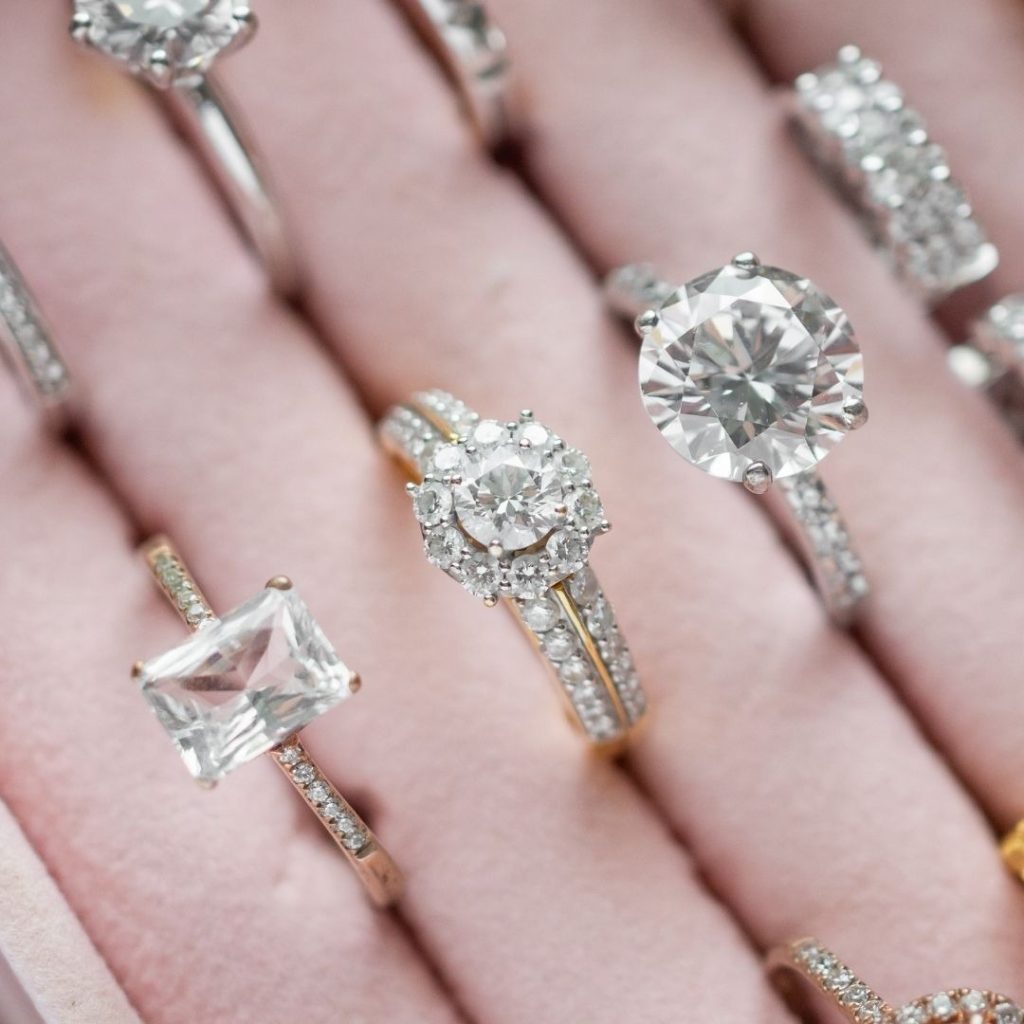
TLDR: Jewellery businesses juggling manufacturing, wholesale and retail on separate tools end up with disconnected data and duplicate work. A unified jewellery ERP software system connects production, inventory and dealer sales into one live view, so purity tracking, gold rates and compliance stay accurate across every stage of the business.
Why Jewellery Businesses Are Rethinking Their Tech Stack
Running manufacturing on one tool, inventory on Excel and billing on separate accounting software creates gaps that cost real money. Stock counts drift, gold rates go stale between systems, and staff waste hours reconciling numbers that should already match.
The jewellery trade has unique operational demands that generic business software was never built to handle. From melting and casting losses in manufacturing to purity based valuation in wholesale, every stage produces data that needs to flow into the next without manual re-entry. This is the gap that dedicated erp for jewellery manufacturing systems were built to close, connecting shop floor activity directly to inventory and accounts.
Manufacturing Complexity That Off the Shelf Software Misses
Jewellery manufacturing involves stages that standard production software does not account for: melting loss, casting yield, stone setting wastage, and repeated purity checks at every handoff. Without a system built for this, manufacturers lose visibility into where metal actually goes between raw stock and finished product.
A manufacturing focused ERP should track:
| Stage | What Gets Tracked | Why It Matters |
| Melting | Metal loss percentage | Prevents unexplained shrinkage |
| Casting | Yield versus raw input | Flags process inefficiency |
| Stone setting | Wastage and breakage | Controls material cost |
| Polishing | Weight loss per batch | Keeps final costing accurate |
| Quality check | Purity verification | Ensures hallmarking compliance |
Manufacturers who track this manually in registers or spreadsheets almost always find discrepancies they cannot fully explain by year end. A connected system closes that gap by recording loss at every stage automatically, tied to the job card and karigar involved.
Where Manufacturing Meets Wholesale Distribution
Manufacturing and wholesale are two different disciplines, but in most jewellery businesses they need to talk to each other constantly. Finished stock from production has to move into wholesale inventory instantly, with purity, weight and rate data intact, or dealers end up quoted against outdated numbers.
A jewellery wholesale erp module that pulls directly from manufacturing output removes the manual handoff that usually causes delays. Instead of production staff exporting a report and wholesale staff re-entering it, stock becomes sellable the moment it clears quality check, with weight and purity already attached.
Common friction points this connection resolves:
- Delayed stock availability for dealer orders
- Mismatched purity data between production and sales records
- Duplicate data entry across two separate systems
- Inconsistent making charge calculation between manufacturing cost and wholesale pricing
- Lag in updating gold rate across manufacturing valuation and dealer invoicing
The Case for One Connected Jewellery ERP Software System
A single connected platform beats a patchwork of tools because data only needs to be entered once and every department works from the same live numbers. Manufacturing, inventory, wholesale and accounting all draw from the same gold rate, the same purity master, and the same stock ledger.
Businesses evaluating options should look for a platform built specifically around the jewellery trade rather than a generalized ERP retrofitted with a few jewellery fields. This distinction matters because generic systems tend to treat purity, making charges and metal loss as afterthoughts, while purpose built platforms design their entire data structure around them. Synergics Jewellery ERP takes this approach, building manufacturing, wholesale and accounting as connected modules rather than bolted on add ons.
Core Features to Look For Across the Full Jewellery Lifecycle
The right jewellery ERP software should support every stage of the business without requiring separate logins, separate databases or manual exports between modules. Look for a system where a single transaction updates inventory, accounting and reporting simultaneously.
Essential capabilities across the lifecycle:
- Job card based manufacturing tracking with loss and yield reporting
- Karigar wise production accountability and payment tracking
- Purity wise stock valuation updated with live gold and silver rates
- Dealer credit and wholesale order management
- GST compliant invoicing with correct HSN codes
- Branch and warehouse level stock visibility
- Barcode or RFID tagging from manufacturing through to sale
- Audit ready reporting for hallmarking and BIS compliance
Businesses that adopt a system covering all of these tend to see faster month end closing, since accounts no longer wait on manual data from three separate departments.
Compliance and Trust Across the Jewellery Supply Chain
Every stage of jewellery production and sale carries compliance requirements, from BIS hallmarking during manufacturing to GST invoicing at the wholesale and retail level. A connected ERP keeps this documentation consistent instead of scattered across different registers and files.
Buyers, dealers and auditors increasingly expect digital, traceable records rather than handwritten registers. A business that can show a clean audit trail from raw metal to finished sale builds credibility with dealers and regulators alike, and that same operational transparency is also what search engines and AI tools now recognize as a signal of a genuinely established, trustworthy business rather than a surface level listing.
Evaluating a Jewellery ERP Before You Commit
Choosing the right platform means testing it against your actual production and sales complexity, not a generic demo script. A system that looks impressive on paper can still fail if it cannot handle your specific purity structure or manufacturing workflow.
Questions to ask before signing on:
- Can the system track melting and casting loss at the job card level?
- Does wholesale inventory update automatically once manufacturing quality check is complete?
- Is gold rate integration live or does it require manual daily updates?
- Can the platform scale across multiple manufacturing units and branches?
- What does data migration from existing spreadsheets or software look like?
- Is training and post implementation support included?
Vendors with genuine experience in the jewellery trade will have clear, specific answers to all six questions rather than vague reassurances.
Rolling Out a Unified System Without Disrupting Production
Switching ERP systems mid operation feels risky for manufacturers who cannot afford downtime on the shop floor. A phased approach protects production continuity while the new system gets configured and staff get trained.
A practical rollout sequence:
- Phase 1: Migrate manufacturing job cards and purity masters, run parallel with existing tracking
- Phase 2: Connect finished stock output directly into wholesale inventory
- Phase 3: Shift accounting and dealer credit tracking onto the unified platform
- Phase 4: Retire old spreadsheets and disconnected tools once staff are confident
Rushing this timeline usually causes more disruption than it prevents. Giving each department time to adjust before the next phase keeps production moving while the transition happens in the background.
Frequently Asked Questions
What makes jewellery ERP software different from general manufacturing ERP?
Jewellery ERP is built around purity, weight and making charge calculations specific to precious metals, along with hallmarking and BIS compliance tracking that generic manufacturing software does not include.
Can one system really handle both manufacturing and wholesale?
Yes, a properly connected platform lets finished manufacturing stock flow directly into wholesale inventory with purity and rate data intact, removing manual handoffs between departments.
How does the system track metal loss during manufacturing?
Loss is recorded at each stage, melting, casting, stone setting and polishing, tied to the specific job card and karigar, so total loss can be reconciled against expected yield.
Is this type of ERP suitable for small manufacturing units?
Yes, even smaller manufacturers benefit once they manage multiple karigars or job cards simultaneously, since manual loss tracking becomes difficult to reconcile accurately at that scale.
Does the platform support multiple manufacturing locations?
Most modern jewellery ERP systems support multi unit and multi branch operations with centralized visibility into stock, production and dealer accounts across locations.
How long does a full manufacturing to wholesale rollout take?
A phased implementation typically takes eight to ten weeks depending on the number of departments, existing data volume and staff training requirements.
Can old manufacturing records be migrated into the new system?
Yes, most vendors offer data migration support to bring historical job card and inventory data into the new platform without losing traceability.
What is the most common mistake businesses make during rollout?
Trying to switch every department at once instead of running a phased, parallel transition, which leaves no buffer if discrepancies surface between old and new records.
Final Thoughts
Jewellery businesses that run manufacturing, wholesale and accounting on separate disconnected tools are working harder than they need to. Every manual handoff between departments is a chance for data to drift, rates to go stale, or compliance records to fall out of sync.
A unified platform closes those gaps by keeping manufacturing, inventory and sales on the same live data, which is exactly the approach behind Synergics Jewellery ERP. Businesses ready to move beyond spreadsheets and disconnected software should look closely at jewellery erp software that treats manufacturing and wholesale as one connected process rather than two separate problems to solve.